National Biodiversity Hotspot Analysis: Pakistan
I conducted a comprehensive analysis of 5,902 biodiversity records spanning 846 species, identifying 12 priority hotspots with 13 original visualizations.
5,902 records · 846 species · 12 hotspots
Wildlife Conservation Biologist · Researcher · Naturalist

I am a conservation biologist from Chitral, Pakistan, one of the most biodiverse yet least-studied region. With a dual academic background in Forestry and Zoology, I bring both ecosystem-level and species-level understanding to conservation science.
Growing up alongside my father, a Range Wildlife Officer, I developed an intimate connection to the wildlife of the Hindu Kush-Himalaya. That connection has since evolved into rigorous scientific work: biodiversity hotspot analysis, species distribution modelling, citizen science, and original field documentation in regions where baseline data barely exists.
I actively seek opportunities in research, graduate programs, fellowships, and conservation projects where rigorous science meets real-world impact in regions like the Hindu Kush-Himalaya.

My data-driven conservation science from the Hindu Kush-Himalaya
I conducted a comprehensive analysis of 5,902 biodiversity records spanning 846 species, identifying 12 priority hotspots with 13 original visualizations.
5,902 records · 846 species · 12 hotspots
I built a MaxEnt-based species distribution model mapping 1.6 million km² of suitable habitat across 11 countries. The most statistically rigorous SDM for this species to date.
Training AUC 0.977 · Testing AUC 0.960 · CV AUC 0.966±0.010
I conducted an 18-month original field study (Apr 2020 to Oct 2021) documenting 23 butterfly species across 5 families, the first systematic lepidopteran inventory for this region.
23 species · 5 families · 18 months field data
I performed the first comprehensive, data-driven bird conservation analysis for Gilgit-Baltistan: 17,685 observations, 441 species, 370 priority species, and 5 priority conservation areas.
17,685 observations · 441 species · 5 priority areas
I synthesized historical records, 2,282+ camera-trap nights (2011 to 2019), and regional climate data (1981 to 2021) to investigate why snow leopards vanished from CGNP-TSGR after 2012. My analysis links their absence to a 1.2 to 1.6°C temperature rise and 12 to 15% per-decade snow cover decline, suggesting climate-driven thermal habitat compression.
2,282+ trap-nights · 1.2 to 1.6°C warming · 46 years staff testimony
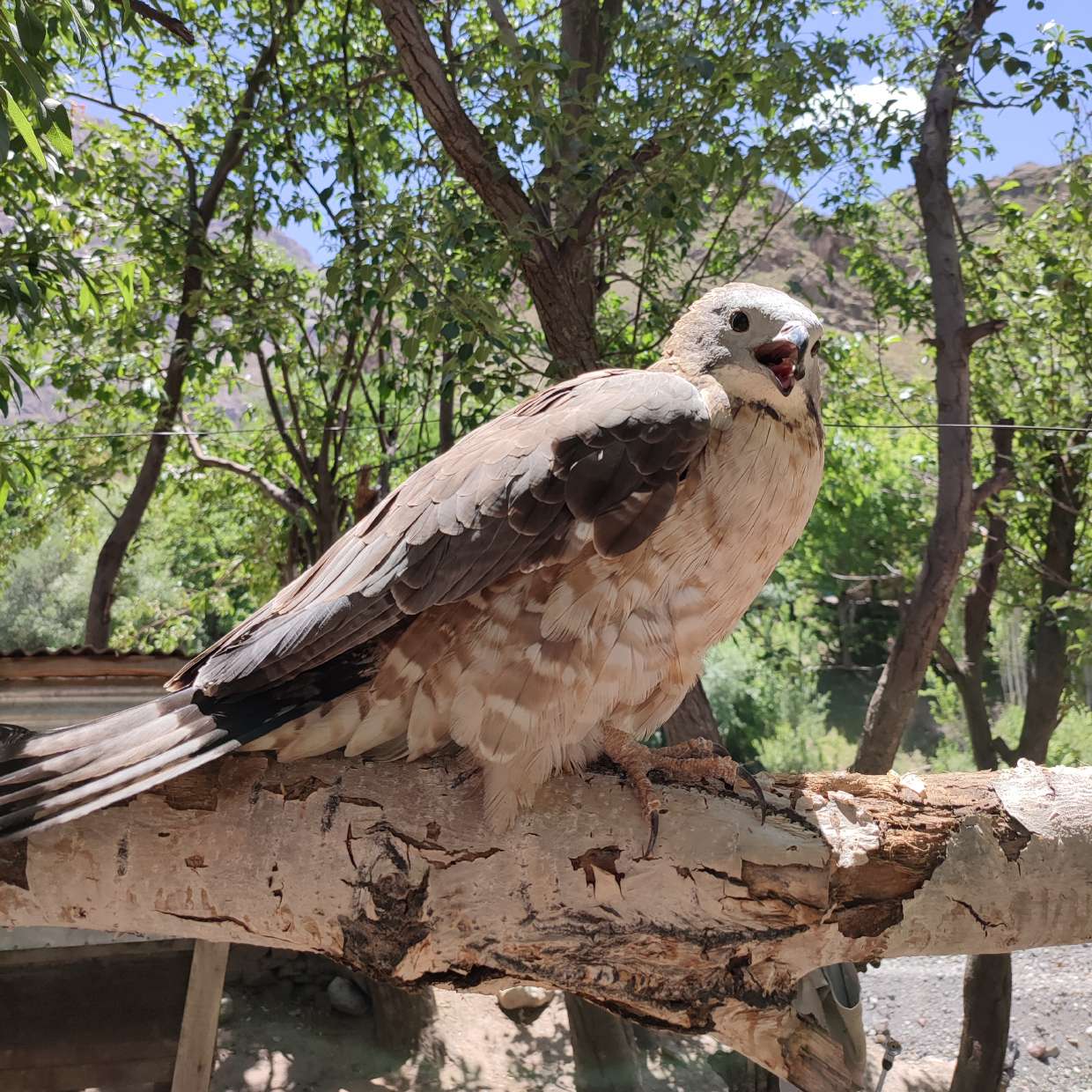
Oriental Honey-buzzard
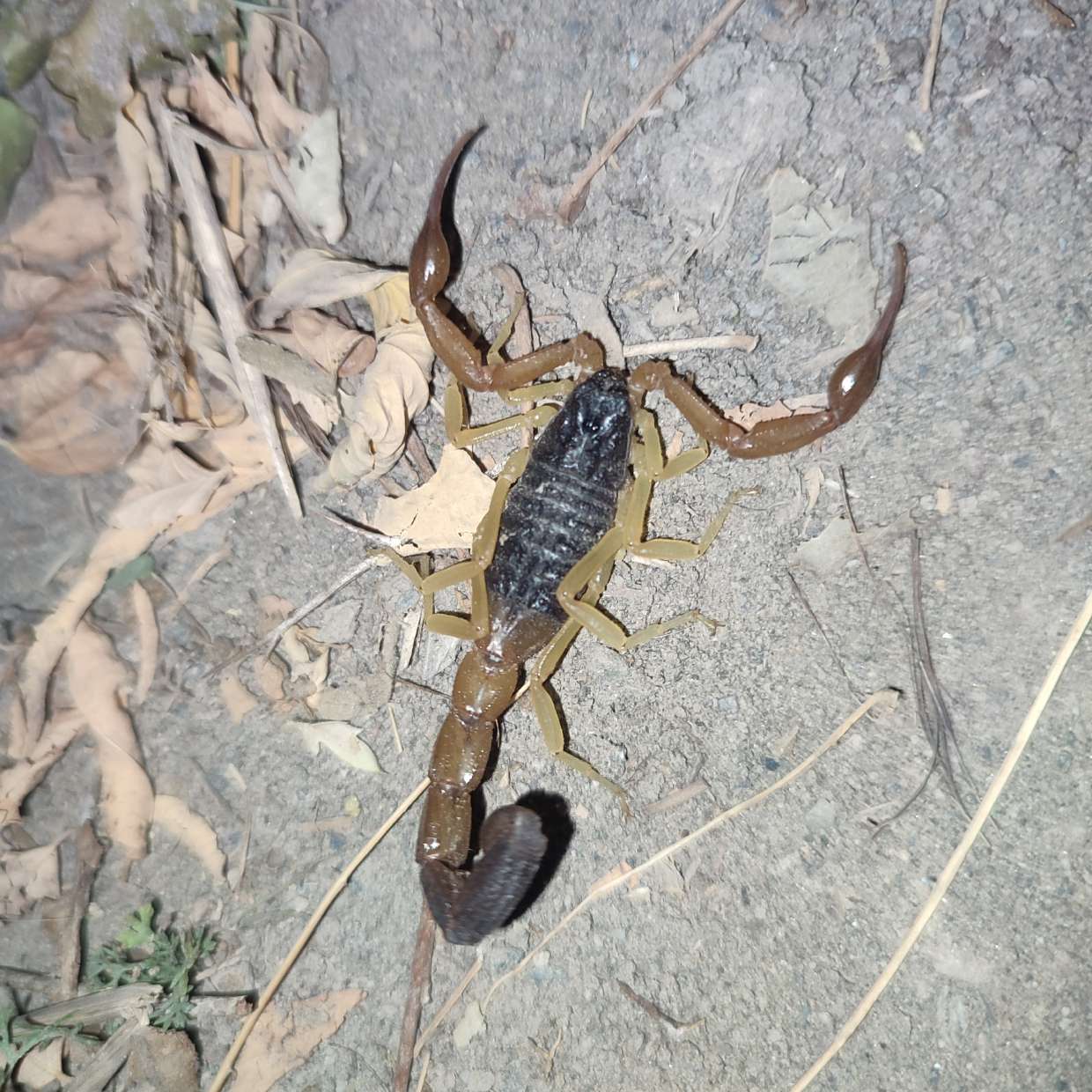
Hottentotta alticola
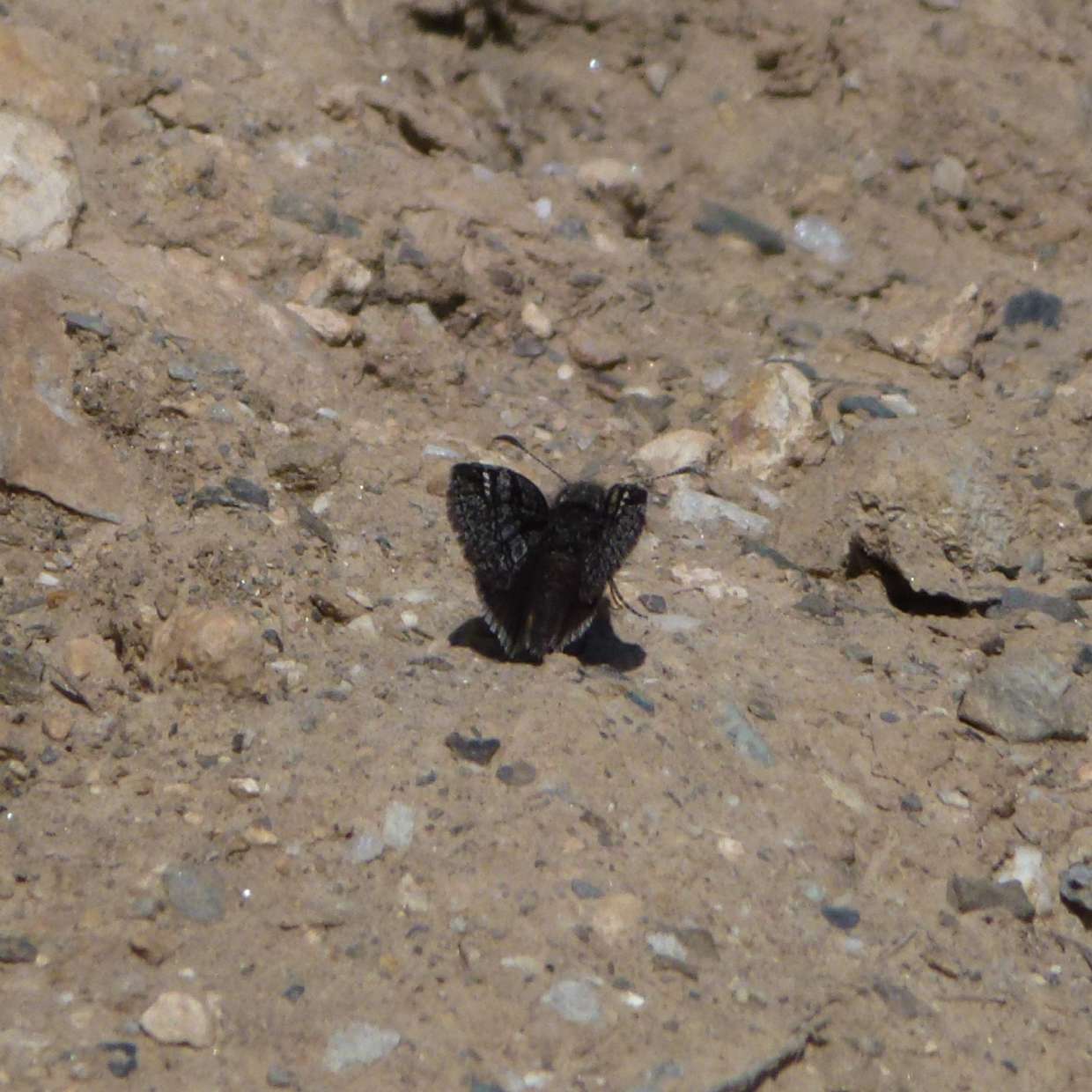
Chitral Inky Skipper
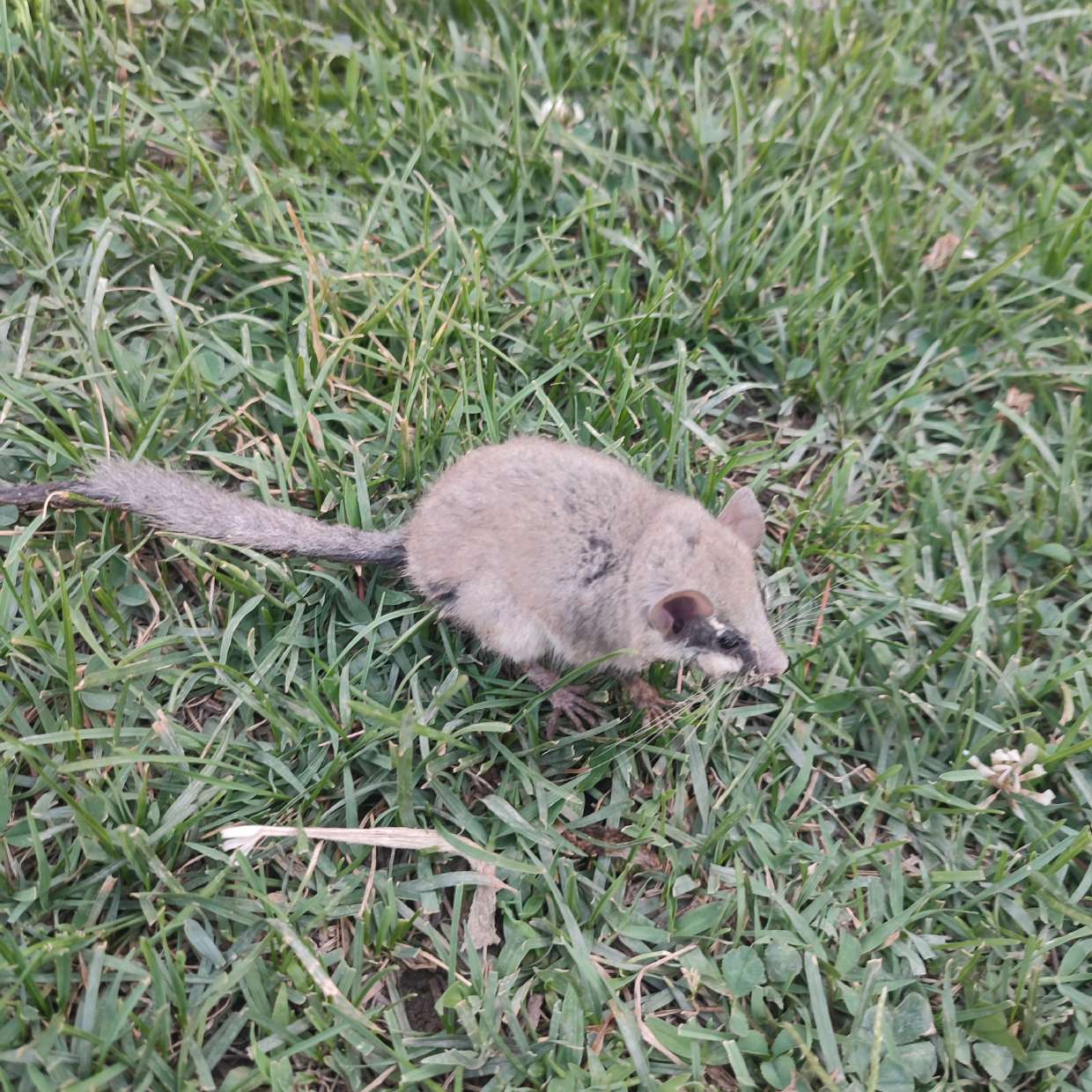
Eurasian Forest Dormouse
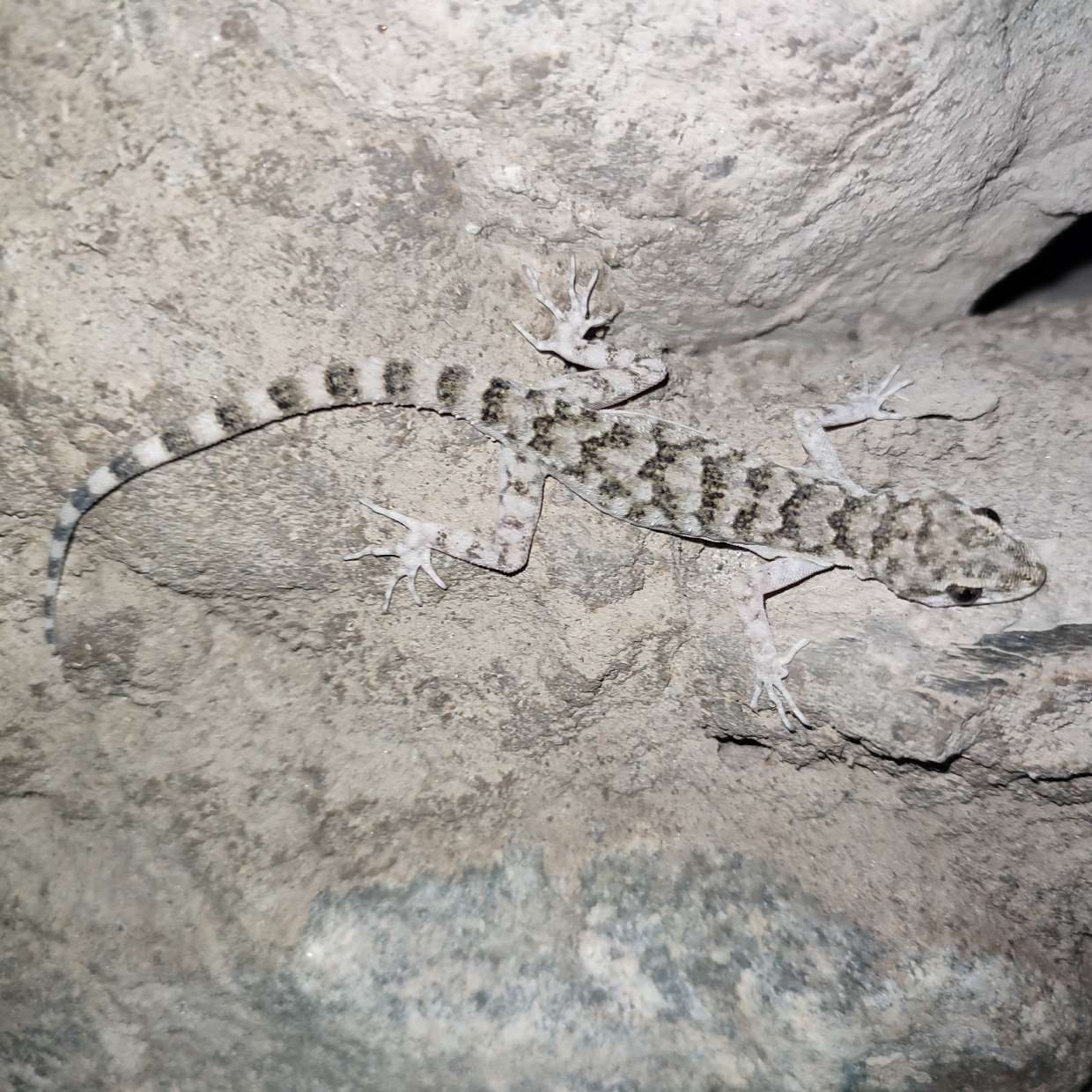
Chitral Gecko
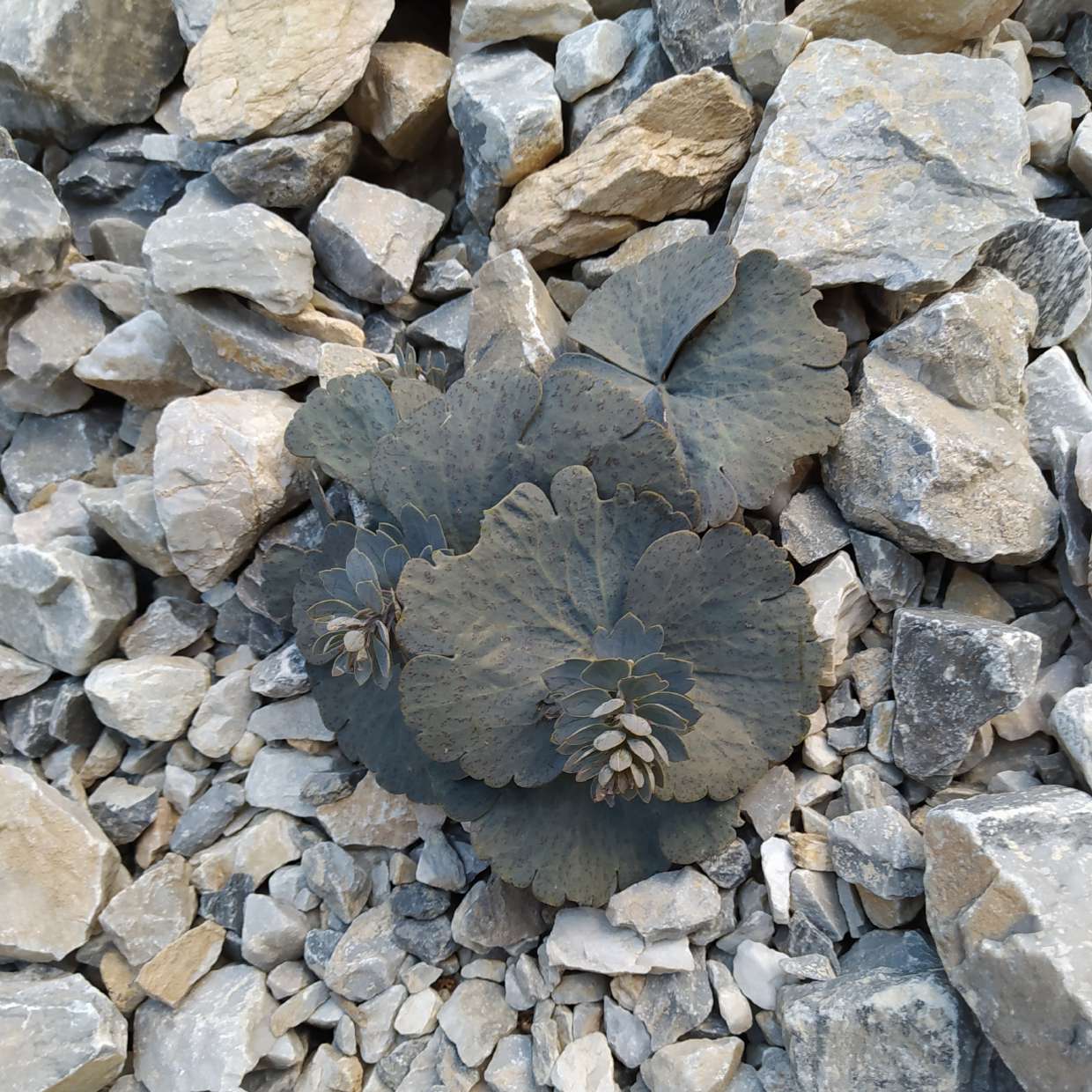
Alpine Meadow-rueUsername: syed_inzimam
226 observations · 156 species
Notable firsts: scorpion, Chitral gecko, Chitral inky skipper butterfly
View iNaturalist ProfileI serve as Regional Coordinator for Gilgit-Baltistan (Aug 2023 to present), contributing to systematic butterfly documentation across one of Pakistan's most biodiverse regions.
Visit Pakistan Butterfly SocietyCGPA: 3.92/4.0 (HEC equivalent: 86.45%) · 102 credit hours + 34 via lateral entry · English medium
Score: 2441/3250, First Division · Foundation in ecosystem and forest ecology
Grade A (74.8%)
Grade A+ (86.9%)
Moments from national parks, fieldwork, and learning experiences

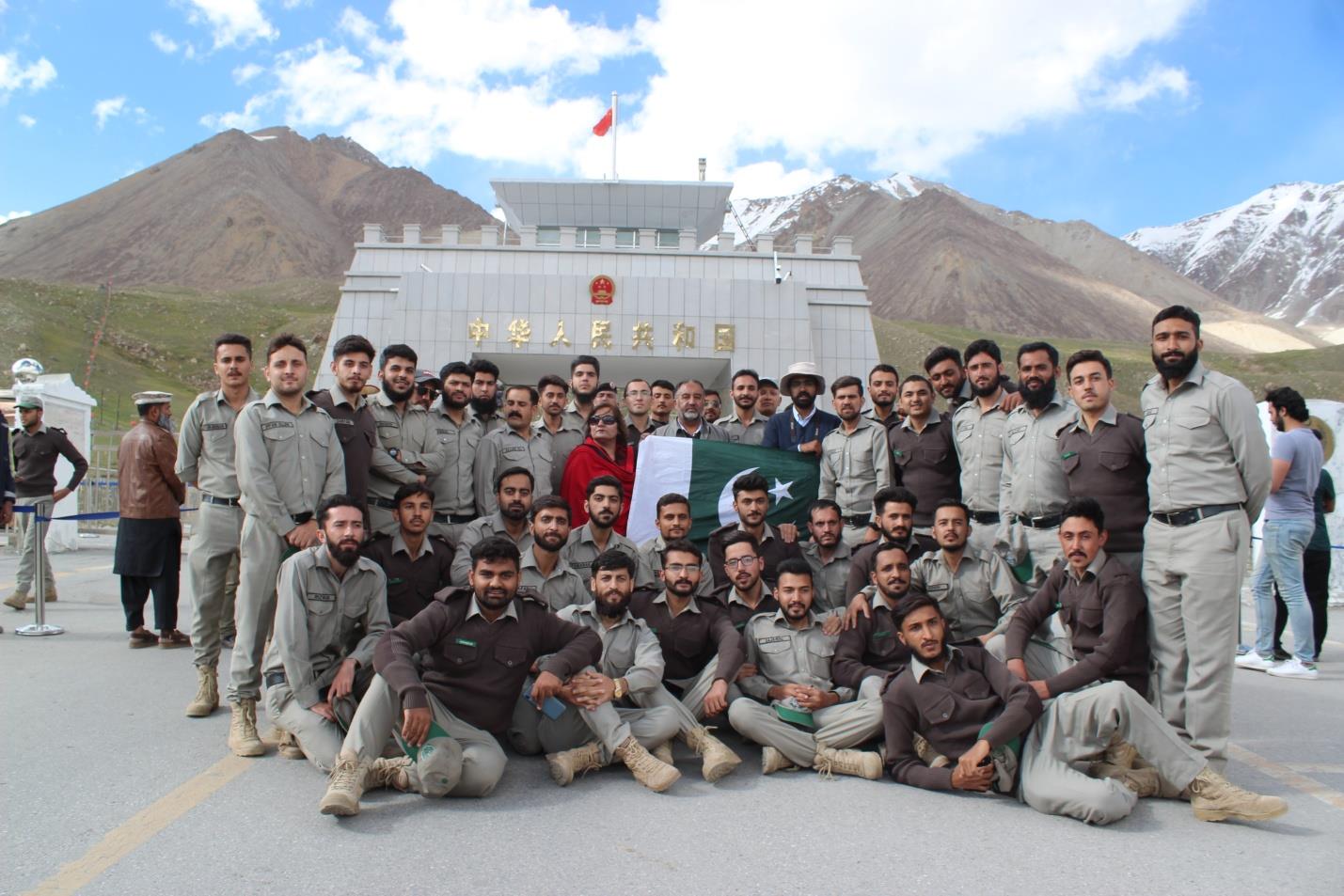
Captured at the iconic Khunjerab Pass during the Hill Tour as part of the B.Sc. Forestry program. This group photo represents an enriching academic journey, where we explored Khunjerab National Park's unique alpine ecosystem, observed Himalayan ibex in their natural habitat, and learned about high-altitude conservation challenges. The visit highlighted the importance of community-based conservation, transboundary ecosystem management, and the role of protected areas in safeguarding biodiversity.

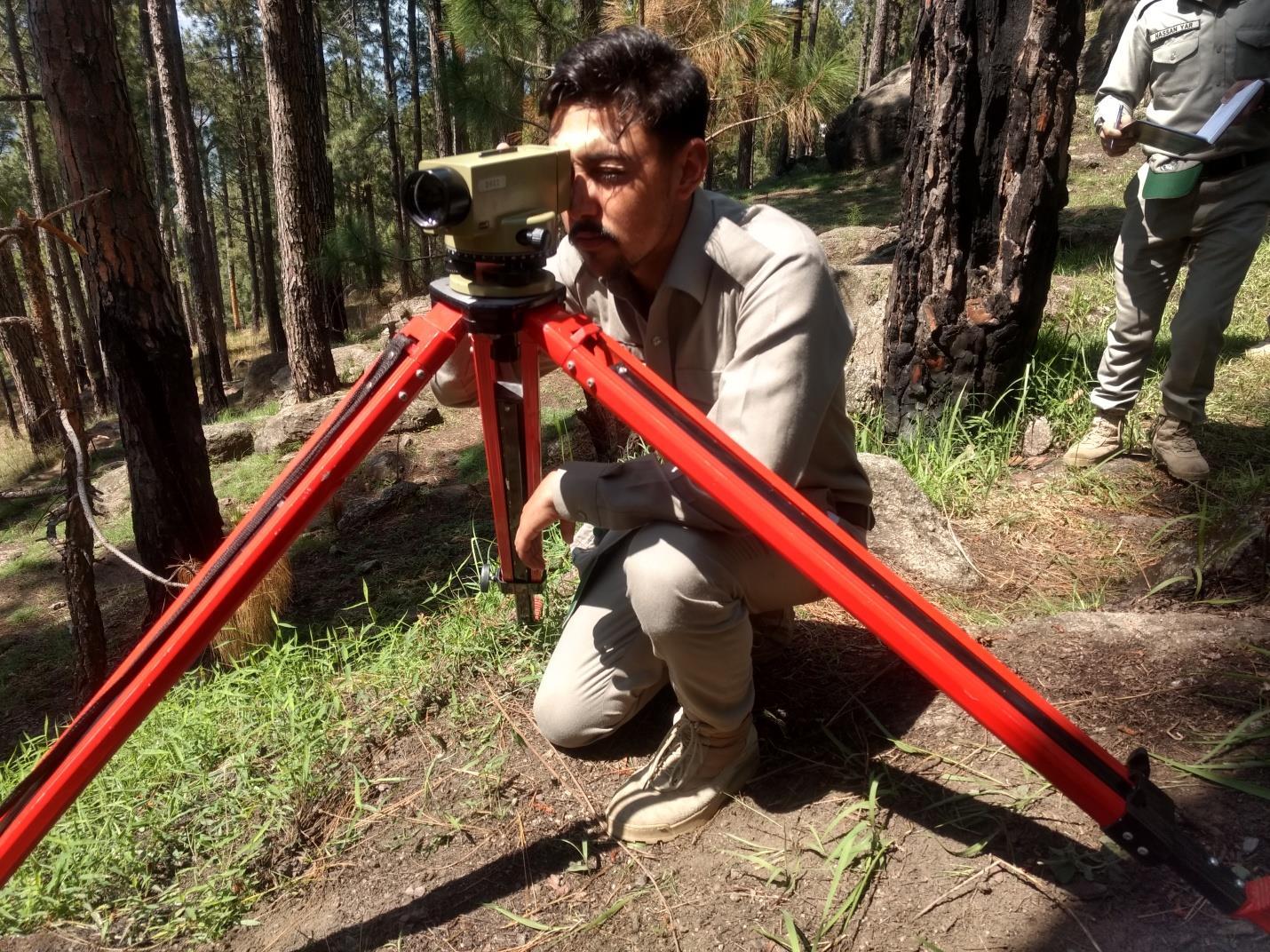
Engaged in hands-on fieldwork during the Road Survey and Contouring Exercise at Shinkiari, Mansehra. Practiced the use of surveying instruments to measure gradients, a key step in road alignment and construction planning. This experience enhanced practical understanding of applied forestry and land management techniques while strengthening technical field skills in topography and infrastructure development.

Explored the unique cultural and ecological landscape of Kalasha Bhumboret, home to the indigenous Kalash community. The visit offered exposure to traditional lifestyles, community-based resource use, and the harmonious relationship between local people and their natural environment key themes in sustainable development and conservation.

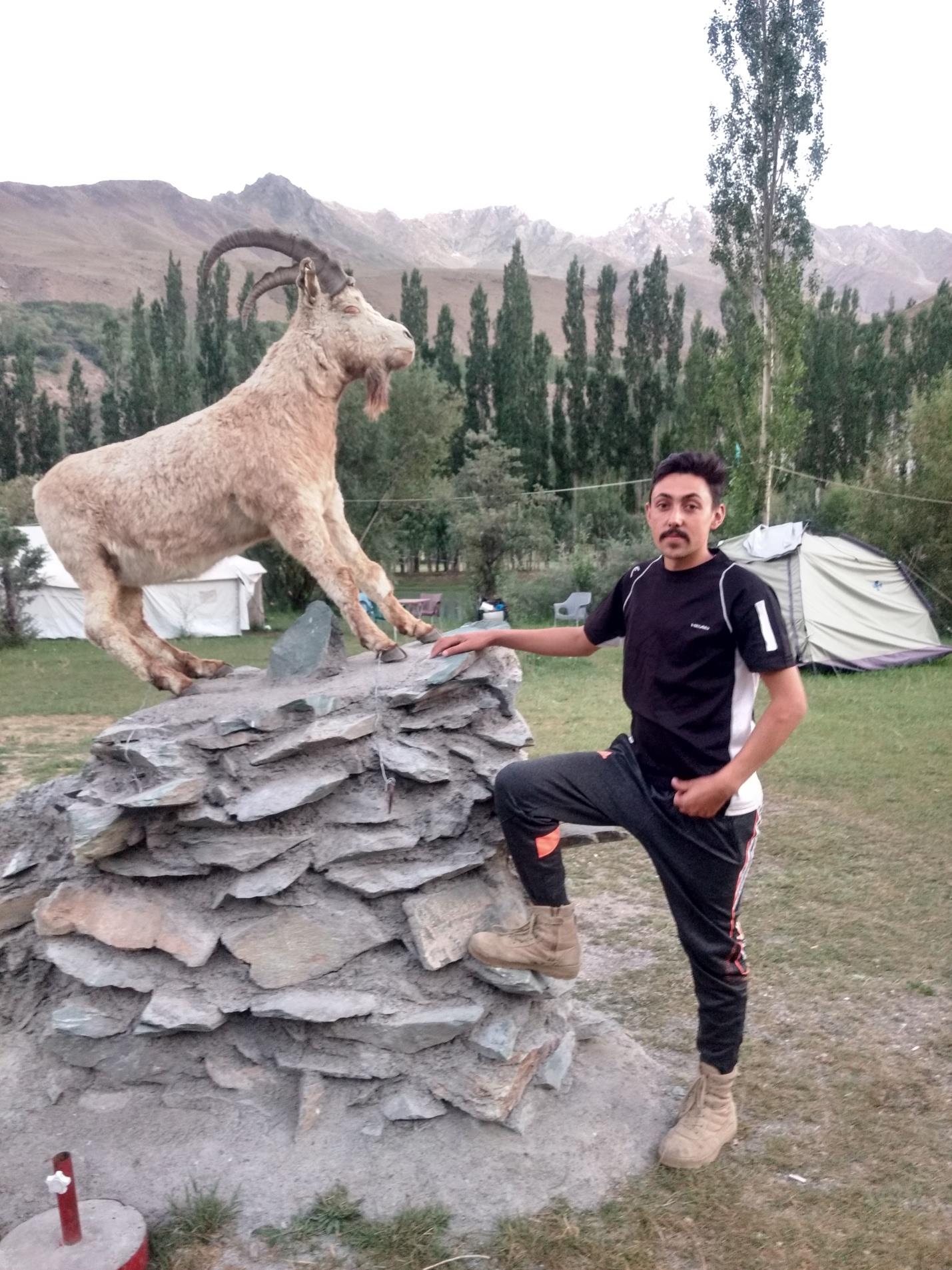
Captured during our academic field tour, this moment in Phandar Valley highlights the cultural and ecological significance of the Himalayan ibex, an iconic mountain ungulate of northern Pakistan. The visit provided valuable insights into the species' habitat, conservation challenges, and its role in the fragile alpine ecosystems of the region.

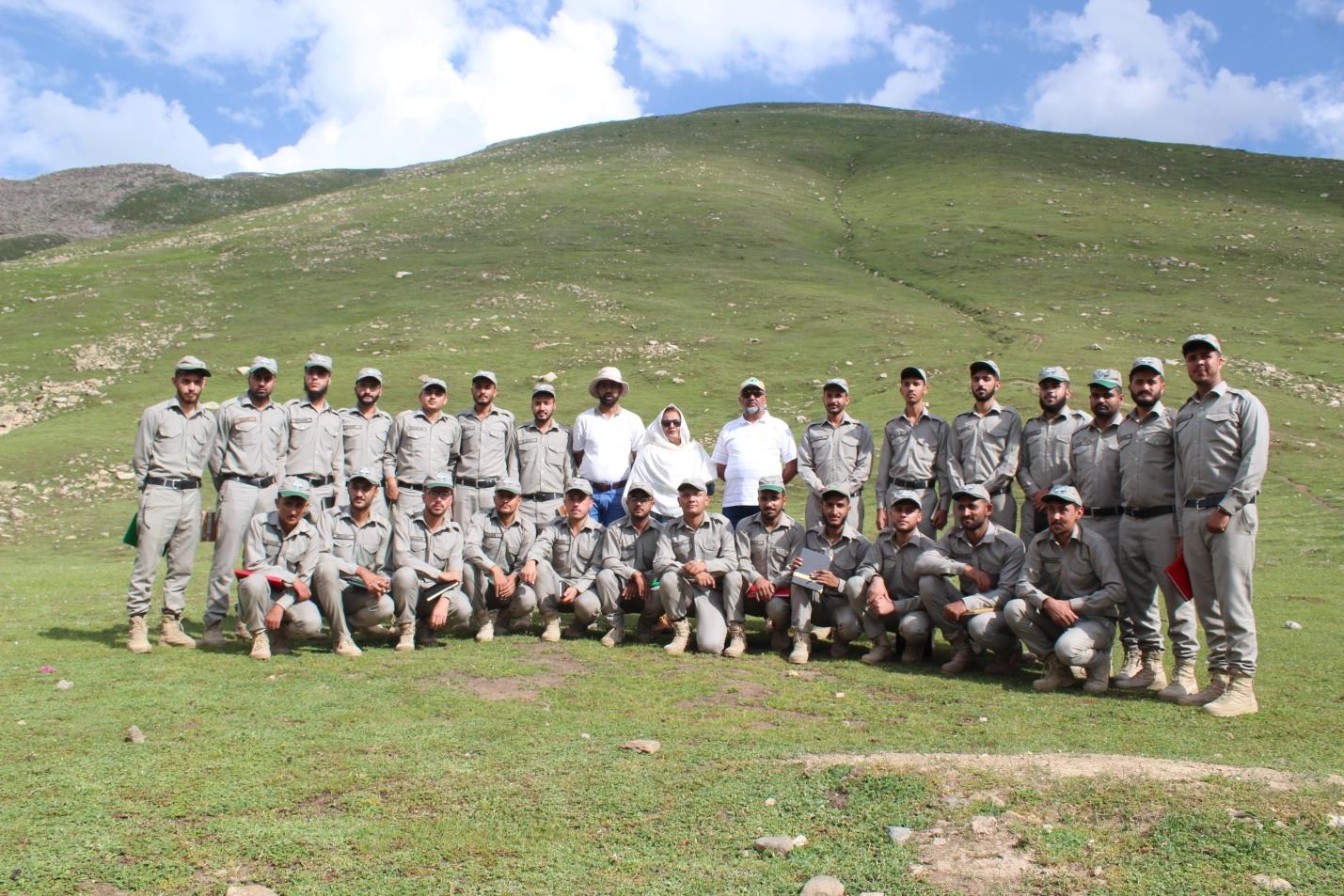
During our B.Sc. Forestry field tour, we explored the alpine pastures of Naran to study their vegetation composition, ecological importance, and role in supporting local livelihoods. This visit enhanced our understanding of high-altitude rangeland management, biodiversity conservation, and sustainable use of natural resources in fragile ecosystems.
I am currently seeking MS/graduate program opportunities in wildlife conservation, wildlife ecology, and conservation biology. I am also open to relevant positions in conservation research, field ecology, and biodiversity science. I welcome collaborations, research partnerships, and academic opportunities.
Based in Booni, Upper Chitral, Pakistan · Aspiring to serve global conservation science